Introduction
Maintaining a home involves far more than occasional repairs—it requires a thoughtful, proactive approach to the systems and structures that keep everything running smoothly. From temperature control to structural protection and interior upgrades, each component plays a vital role in comfort, safety, and long-term value. When homeowners take the time to understand how these elements work together, they are better equipped to prevent costly breakdowns, improve efficiency, and make smarter investment decisions.
This guide provides a comprehensive look at essential home systems and improvements, offering practical advice, expert insights, and actionable steps you can take to protect and enhance your property. Whether you’re planning upgrades or simply trying to stay ahead of maintenance, the following sections will help you make informed decisions every step of the way.
A well-maintained home is not just about convenience—it directly impacts your financial stability and quality of life. Unexpected system failures can lead to costly emergency repairs, temporary displacement, and long-term structural damage if not addressed quickly. By contrast, proactive care and strategic upgrades can significantly reduce these risks, allowing homeowners to maintain control over both their budget and their living environment.
Understanding the relationship between your home’s systems is also essential. For example, poor insulation or roofing issues can put extra strain on heating and cooling systems, while plumbing problems can lead to hidden moisture that affects walls, flooring, and air quality. When you take a comprehensive approach, you can identify these connections and address potential problems before they escalate.
In addition, modern advancements in home technology and materials provide more opportunities than ever to improve efficiency and comfort. Energy-efficient systems, smart home integrations, and durable building materials can all contribute to a more sustainable and cost-effective home. By staying informed and making intentional choices, homeowners can create spaces that not only meet their current needs but also adapt to future demands.
Ultimately, this guide is designed to empower you with the knowledge needed to confidently manage your home. Whether you are tackling a small repair or planning a major renovation, having a clear understanding of best practices and professional standards will help you achieve better results and long-term peace of mind.
How to Choose the Right Professional for Long-Term Home Performance
Selecting the right professionals is one of the most important decisions you’ll make as a homeowner. The quality of workmanship directly impacts how well your systems perform and how long they last. Working with a qualified HVAC contractor and a reliable roofing company ensures your home receives the expertise it needs.
When evaluating contractors, consider the following:
- Verify licensing and insurance to protect yourself from liability
- Look for certifications and manufacturer affiliations
- Check online reviews and request references
- Ask about warranties on labor and materials
- Confirm experience with projects similar to yours
It’s also important to ask detailed questions before hiring:
- What is the estimated timeline for completion?
- Are there any potential complications expected?
- How will unexpected costs be handled?
- What maintenance is required after installation or repair?
A trustworthy professional will communicate clearly, provide written estimates, and help you understand your options. Avoid contractors who pressure you into quick decisions or provide vague pricing. Investing time upfront in selecting the right team can save you significant money and stress in the long run.
Signs Your Heating System Needs Immediate Attention
Heating systems often show warning signs before failing completely. Recognizing these early indicators allows you to address issues before they escalate into expensive repairs or full system replacements.
Common signs include:
- Uneven heating throughout the home
- Strange noises such as banging or rattling
- Increased energy bills without increased usage
- Frequent cycling on and off
- Weak airflow from vents
When these symptoms appear, scheduling heater repair or furnace repair promptly can prevent further damage. Ignoring minor issues can strain system components, leading to breakdowns during the coldest months when you need heat the most.
You should also consider the age of your system. Most furnaces last between 15–20 years. If your unit is approaching this range and experiencing frequent issues, replacement may be more cost-effective than repeated repairs.
Preventative steps include:
- Replacing filters every 1–3 months
- Keeping vents and ducts clean
- Scheduling annual inspections
- Monitoring thermostat performance
By staying proactive, you can maintain consistent comfort while avoiding emergency repairs.
Planning an Efficient Cooling System Upgrade
Upgrading your cooling system is a major investment, but it can significantly improve comfort and energy efficiency. Proper planning ensures you get the most value from your air conditioner installation.
Start by evaluating your current system:
- Is it struggling to maintain consistent temperatures?
- Are your energy bills rising?
- Is the unit more than 10–15 years old?
Choosing the right system involves several factors:
- Home size and layout
- Insulation quality
- Climate conditions
- Desired energy efficiency rating
Look for systems with high SEER (Seasonal Energy Efficiency Ratio) ratings, as they consume less energy while delivering optimal cooling performance.
Before installation:
- Inspect and seal ductwork to prevent air loss
- Ensure electrical systems can support the new unit
- Clear space around the installation area
Benefits of upgrading include:
- Lower energy costs
- Improved indoor air quality
- Quieter operation
- Enhanced humidity control
Working with experienced professionals ensures proper sizing and installation, which are critical for long-term performance.
Prevent Costly Breakdowns with Routine Heating Maintenance
Routine maintenance is essential for keeping your heating system running efficiently and preventing unexpected breakdowns. Regular care reduces the likelihood of needing furnace repair and extends the lifespan of your equipment.
A seasonal maintenance checklist should include:
- Inspecting and cleaning burners
- Checking heat exchangers for cracks
- Testing thermostat accuracy
- Lubricating moving parts
- Inspecting electrical connections
Homeowners can also take simple steps:
- Replace air filters regularly
- Keep vents unobstructed
- Monitor unusual sounds or smells
- Ensure proper airflow throughout the home
Professional inspections are particularly important because technicians can identify hidden issues that may not be visible to the untrained eye. Addressing small problems early prevents larger, more expensive repairs later.
Consistency is key. Scheduling maintenance before the heating season begins ensures your system is ready when temperatures drop.
Keep Your Hot Water System Running Smoothly Year-Round
Hot water is essential for daily activities, from cooking to cleaning. Regular water heater services help ensure your system operates efficiently and reliably.
Common signs your water heater needs attention include:
- Inconsistent water temperature
- Reduced hot water supply
- Strange noises from the tank
- Rust-colored water
- Leaks around the unit
Maintenance tasks include:
- Flushing the tank to remove sediment buildup
- Checking the anode rod to prevent corrosion
- Inspecting valves and connections
- Testing pressure relief valves
There are different types of systems to consider:
- Tank water heaters for traditional use
- Tankless systems for on-demand efficiency
- Hybrid models for energy savings
Upgrading to a more efficient model can reduce energy consumption and provide a more consistent hot water supply. Proper maintenance not only improves performance but also extends the life of your system.
Protect Your Home with Proper Roof Care and Inspections
Your roof is your home’s first line of defense against the elements. Regular inspections and maintenance by a trusted roofing company can prevent minor issues from becoming major problems.
Key areas to monitor include:
- Missing or damaged shingles
- Signs of water intrusion in the attic
- Sagging or uneven rooflines
- Clogged or damaged gutters
Seasonal maintenance tips:
- Remove debris such as leaves and branches
- Check flashing around vents and chimneys
- Inspect after storms for damage
- Ensure proper ventilation to prevent moisture buildup
Choosing durable materials and ensuring proper installation are critical for long-term performance. A well-maintained roof not only protects your home but also improves energy efficiency and curb appeal.
What to Do When Unexpected Roof Damage Occurs
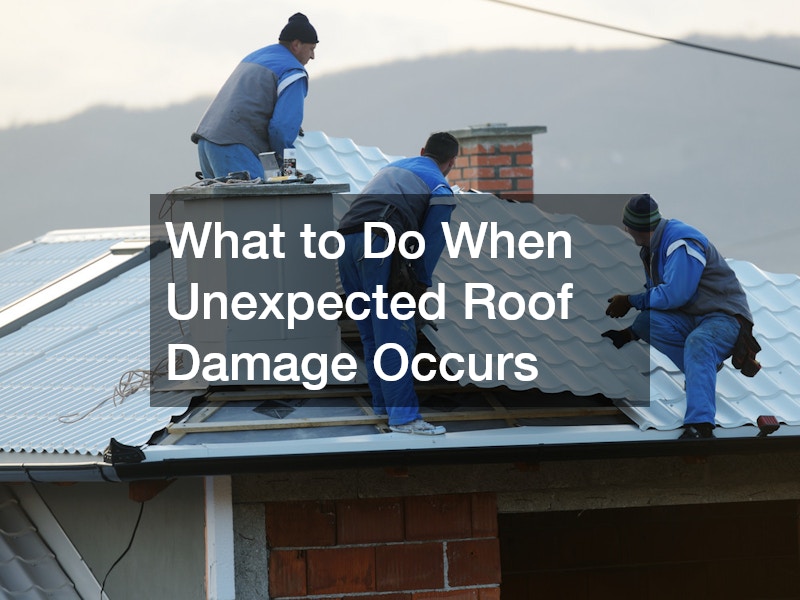
Roof damage can happen suddenly due to storms, falling debris, or aging materials. Knowing how to respond quickly can minimize damage and reduce repair costs.
Immediate steps include:
- Assess the damage safely from the ground
- Cover exposed areas with tarps if possible
- Remove valuables from affected areas
- Document damage for insurance purposes
Emergency roof repair services are essential for addressing urgent issues and preventing further deterioration. Professionals can stabilize the structure and provide temporary solutions until permanent repairs are completed.
Common causes of sudden damage:
- Severe weather events
- Tree limb impacts
- Ice dams
- Poor previous repairs
Preventative measures include regular inspections and timely maintenance. Being prepared can make a significant difference when unexpected issues arise.
Restore Your Home Quickly After Water Damage
Water damage can spread rapidly, affecting floors, walls, and structural components. Acting quickly with professional water damage restoration services is critical to minimizing long-term damage.
Steps to take immediately:
- Shut off the water source
- Turn off electricity in affected areas
- Remove standing water
- Begin drying with fans and dehumidifiers
Professionals use specialized equipment to:
- Detect hidden moisture
- Dry materials thoroughly
- Prevent mold growth
- Restore damaged structures
Common sources of water damage:
- Burst pipes
- Appliance failures
- Roof leaks
- Flooding
Prevention strategies:
- Regular plumbing inspections
- Proper drainage around the home
- Routine roof maintenance
- Installing leak detection systems
Quick action reduces repair costs and helps restore your home to its original condition.
Design a Functional and Stylish Bathroom Space
A well-designed bathroom enhances both comfort and property value. Investing in bathroom remodeling services allows you to create a space that meets your needs while reflecting your personal style.
Key planning considerations:
- Optimize layout for efficiency
- Maximize storage with smart solutions
- Choose durable, moisture-resistant materials
- Ensure proper ventilation
Popular upgrades include:
- Walk-in showers
- Double vanities
- Heated flooring
- Energy-efficient lighting
Budgeting tips:
- Prioritize essential upgrades
- Plan for unexpected costs
- Compare material options
- Work with experienced professionals
A thoughtful approach ensures your renovation delivers both functionality and aesthetic appeal.
Upgrade Your Bathroom with Modern Features and Finishes

Modern design elements can transform a bathroom into a sleek, inviting space. One of the most impactful upgrades is installing glass shower doors, which enhance both style and functionality.
Benefits include:
- Creating a more open and spacious feel
- Allowing natural light to flow throughout the room
- Easy maintenance compared to traditional curtains
- Increased property value
Types of options:
- Frameless for a clean, modern look
- Semi-frameless for added support
- Sliding doors for compact spaces
- Hinged doors for accessibility
Maintenance tips:
- Clean regularly to prevent water spots
- Use protective coatings to reduce buildup
- Inspect seals and hardware periodically
These upgrades not only improve appearance but also enhance usability and long-term durability.
Coordinate Multiple Home Projects for Efficiency and Savings
Coordinating multiple projects can save time and money while improving overall results. Working with an HVAC contractor alongside water damage restoration professionals ensures systems are addressed comprehensively.
Benefits include:
- Reduced labor costs through combined scheduling
- Faster project completion
- Improved system compatibility
- Streamlined communication
Tips for coordination:
- Develop a detailed project timeline
- Prioritize tasks based on urgency
- Maintain open communication with all contractors
- Monitor progress regularly
Proper planning prevents delays and ensures each component works together efficiently.
Prevent Future Issues with a Proactive Maintenance Plan
A proactive maintenance plan is the best way to avoid costly repairs and extend the life of your home’s systems. Regular upkeep reduces the likelihood of needing heater repair or emergency roof repair.
Key components of a maintenance plan:
- Seasonal inspections for all systems
- Routine cleaning and servicing
- Tracking performance and repairs
- Budgeting for future upgrades
Best practices:
- Schedule annual professional inspections
- Address minor issues promptly
- Keep detailed maintenance records
- Use reminders to stay on schedule
Taking a preventative approach ensures your home remains safe, efficient, and comfortable year-round.
Conclusion
Caring for your home requires a balanced approach that combines routine maintenance, timely repairs, and strategic upgrades. By staying proactive and working with experienced professionals, you can protect your investment, improve efficiency, and create a more comfortable living environment.
From maintaining essential systems to enhancing interior spaces, every improvement contributes to the overall performance and value of your home. With the right knowledge and planning, you can confidently manage your property and enjoy long-term peace of mind.
Taking a long-term perspective is one of the most valuable strategies for homeowners. Instead of reacting to issues as they arise, creating a structured plan for inspections, upgrades, and budgeting allows you to stay ahead of potential problems. This approach not only minimizes stress but also helps you make more informed financial decisions over time.
Consistency is key when it comes to home maintenance. Small, routine tasks—such as inspecting systems, cleaning components, and addressing minor wear and tear—can have a significant cumulative impact. These efforts help prevent larger issues that often require extensive repairs or full system replacements. Over time, this proactive mindset can lead to substantial savings and improved reliability across all areas of your home.
It’s also important to recognize the value of professional expertise. While some maintenance tasks can be handled independently, many aspects of home care require specialized knowledge, tools, and experience. Partnering with trusted professionals ensures that work is completed safely, efficiently, and in compliance with industry standards. This not only protects your home but also provides peace of mind knowing that critical systems are functioning as intended.
As your home evolves, so do your needs. Whether you are accommodating a growing family, improving energy efficiency, or updating outdated spaces, ongoing improvements play a vital role in maintaining both comfort and functionality. Thoughtful upgrades can enhance daily living while increasing your property’s market value.
In the end, a well-maintained and strategically upgraded home is more than just a place to live—it’s a long-term investment in your lifestyle and future. By applying the insights and recommendations outlined in this guide, you can create a space that remains safe, efficient, and enjoyable for years to come.