Highlights:
- Living room windows play a major role in home energy efficiency, and outdated or poorly installed ones can significantly increase heating and cooling loss.
- Common signs that windows need replacing include drafts, condensation between panes, rising energy bills, difficulty operating windows, and visible frame damage.
- Choosing the right window type matters for performance, with double-pane, triple-pane, vinyl, fiberglass, and wood options each offering different balances of cost, insulation, and durability.
- Energy-efficient features like Low-E coatings, gas-filled panes, tight sealing systems, warm-edge spacers, and UV protection work together to improve comfort and reduce energy waste.
- Proper planning is essential, including assessing window condition, comparing contractors, setting a budget, and scheduling installation strategically to avoid disruptions.
- Window replacement involves a detailed process—measurement, removal, inspection, installation, sealing, finishing, and testing—to ensure long-term performance and airtight sealing.
- Beyond energy savings, upgraded windows improve living room comfort by reducing drafts, stabilizing indoor temperatures, lowering noise, and improving overall livability.
Your living room is one of the most active spaces in your home, which also makes it one of the biggest sources of energy loss when windows are outdated. Old or poorly installed windows can quietly drain heating and cooling efficiency, making your HVAC system work harder than necessary.
Replacing living room windows is one of the most effective upgrades you can make if your goal is better comfort and lower energy bills. It improves insulation, reduces drafts, and helps stabilize indoor temperatures throughout the year.
In this guide, you’ll learn how to identify when windows need replacing, what types work best, how the installation process works, and how to make smart decisions that improve both comfort and efficiency.
Why Does Replacing Living Room Windows Matter So Much?
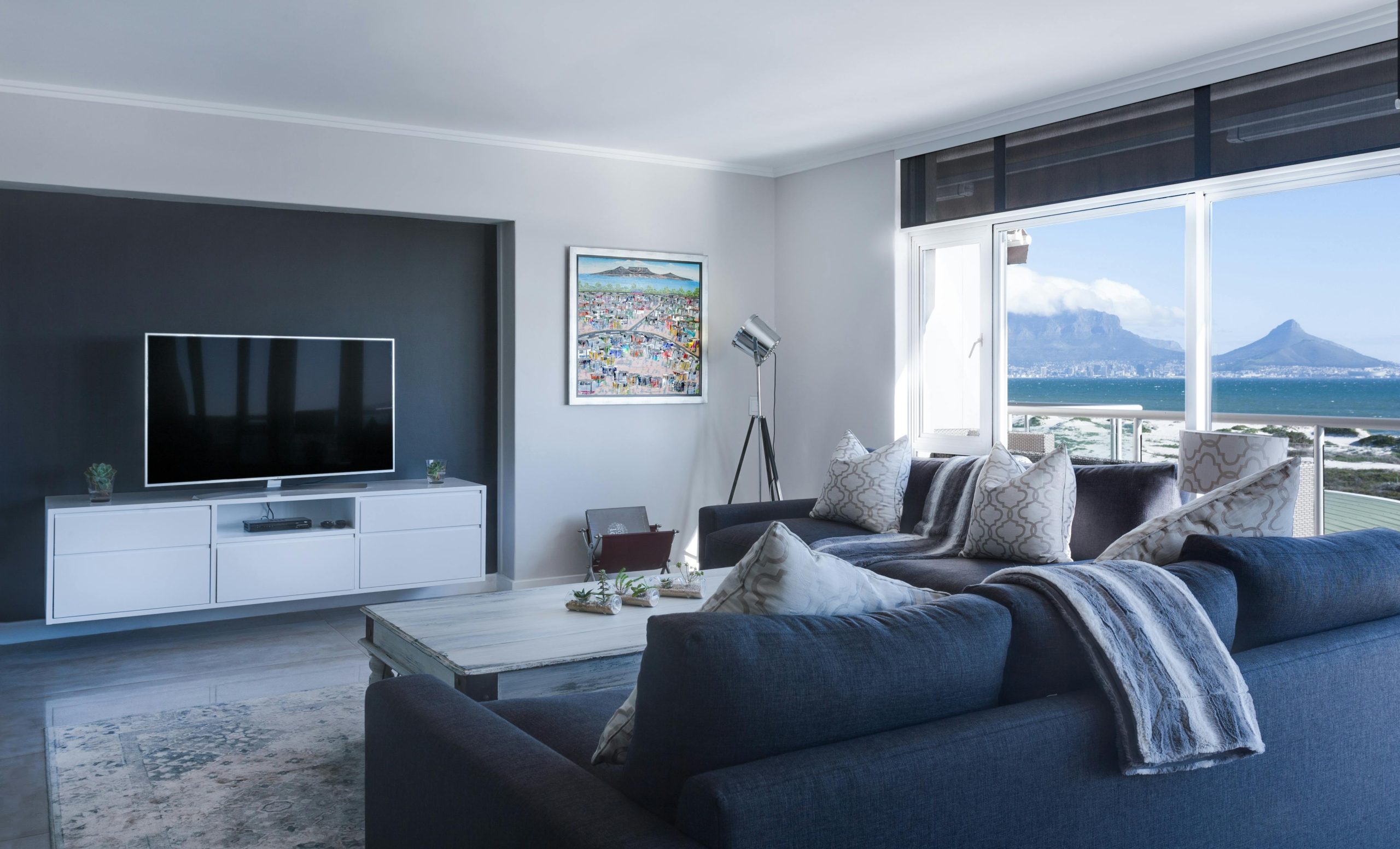
Your living room is usually the most used space in the house. It’s where people gather, relax, entertain guests, and spend long hours during the day or evening. Because of that, it also becomes one of the biggest points of energy loss if the windows are outdated.
Old or poorly installed windows can quietly drain energy in ways most homeowners don’t notice at first. You might feel drafts near the sofa, notice uneven room temperatures, or see your cooling or heating system working harder than it should.
When windows are inefficient, they typically allow heat transfer in both directions:
- In hot weather, they let heat enter the room
- In cooler conditions, they allow indoor warmth to escape
Over time, that constant energy exchange leads to higher electricity bills and less comfortable living spaces.
Replacing windows isn’t just about aesthetics. It’s one of the most practical upgrades for improving comfort, reducing energy waste, and modernizing your living room without a full renovation.
What Energy-Efficient Features Should You Look For?
Modern replacement windows are no longer just about glass and frames—they are engineered systems designed to control heat transfer, reduce energy loss, and improve indoor comfort year-round. When choosing windows for a living room, the details matter just as much as the overall style or price.
A well-performing window combines several technologies working together to maintain stable indoor temperatures, reduce strain on heating and cooling systems, and improve overall comfort without blocking natural light.
Look for the following key features:
Low-E Glass Coatings That Reflect Heat
Low-emissivity (Low-E) coatings are ultra-thin, invisible layers applied to the glass surface that help control how heat and light pass through the window.
In practical terms, they:
- Reflect indoor heat back into the room during colder months
- Block excessive solar heat from entering during warmer months
- Reduce glare without significantly reducing natural light
This makes them especially useful in living rooms where you want brightness without overheating or cold drafts near seating areas. Over time, they also help stabilize indoor temperatures, reducing the workload on your HVAC system.
Gas-Filled Panes (Argon or Krypton) for Insulation
Between double or triple panes of glass, manufacturers often inject inert gases like argon or krypton to improve insulation performance.
These gases are denser than air, which means they slow down heat transfer more effectively.
Benefits include:
- Reduced heat loss through the glass
- Improved temperature consistency near windows
- Better overall energy efficiency compared to air-filled units
Argon is more common and cost-effective, while krypton offers slightly better insulation but is usually found in higher-end or triple-pane systems.
Tight Sealing Systems to Prevent Air Leakage
Even the best glass won’t perform well if air can easily slip through the edges. Modern windows use advanced sealing systems to ensure a tight fit between the frame and sash.
These systems help:
- Prevent drafts around window edges
- Reduce dust and outdoor air infiltration
- Maintain stable indoor temperatures more effectively
Good sealing is especially important in living rooms because this is often a high-traffic, high-comfort space where even small drafts can be noticeable during sitting or lounging.
Warm-Edge Spacers for Better Thermal Control
Spacers are the components that separate panes of glass in double or triple glazing. Older windows often used metal spacers, which conducted heat and reduced efficiency.
Warm-edge spacers are made from composite or less conductive materials, which help reduce thermal bridging.
They improve performance by:
- Minimizing heat loss around the edges of the glass
- Reducing condensation buildup near window borders
- Improving overall insulation consistency across the entire window
This small detail often makes a noticeable difference in long-term energy performance.
UV Protection to Reduce Interior Fading
Sunlight brings natural brightness into a living room, but it also carries ultraviolet (UV) rays that can slowly damage interior surfaces over time.
Modern energy-efficient windows often include UV-filtering coatings that help:
- Protect furniture, rugs, and curtains from fading
- Preserve wood flooring and wall finishes
- Reduce long-term sun damage without blocking natural light
This feature is especially valuable for living rooms with large windows or strong sun exposure, where interior materials are at higher risk of discoloration.
How These Features Work Together
Individually, each feature improves a specific aspect of window performance. But when combined, they create a highly efficient system that stabilizes indoor temperatures, reduces energy loss, and enhances overall comfort.
In a well-designed window system, these technologies help:
- Keep warm air inside during winter
- Block excess heat during summer
- Maintain consistent comfort near seating and activity areas
- Reduce reliance on artificial heating and cooling
The result is a living room that feels more comfortable year-round while using less energy overall.
How Do You Plan a Window Replacement Project Properly?
Before starting installation, planning is essential. A rushed approach often leads to unnecessary costs or poor results.
To effectively plan a successful renovation project, focus on:
- Evaluating all living room windows individually
- Deciding between full or partial replacement
- Setting a realistic budget range
- Comparing contractor quotes and reviews
- Reviewing product warranties carefully
- Scheduling work to minimize disruption
Good planning ensures smoother installation and better long-term performance.
How to Replace Windows in the Living Room: 7 Steps
Understanding how window replacement works helps you set realistic expectations, avoid rushed decisions, and make sure the installation is done properly. A well-installed window is just as important as choosing a high-quality product—poor installation can cancel out even the best energy-efficient features.
Here’s how the process typically works from start to finish:
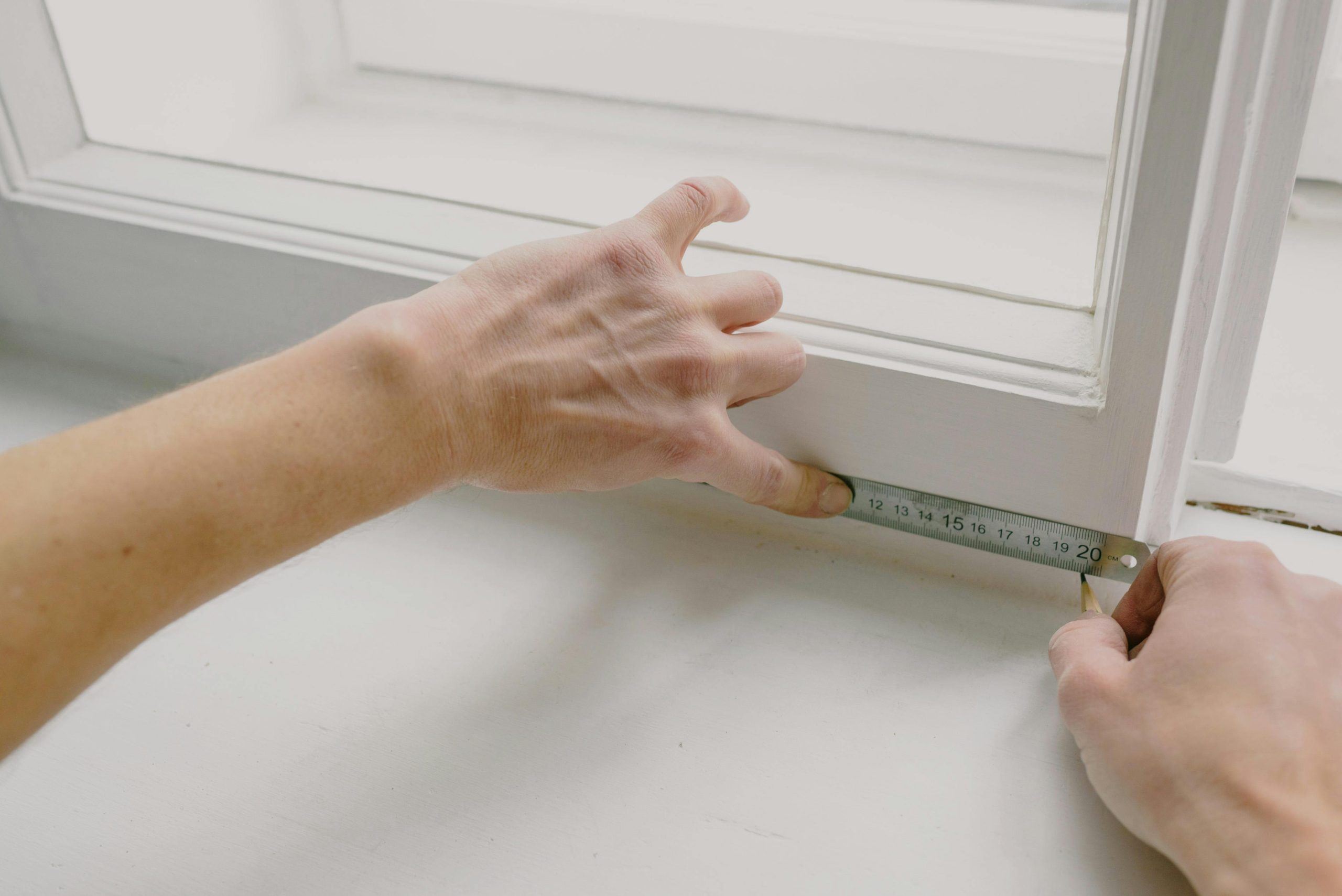
1. Measurement and Assessment
Accurate sizing ensures proper fitting and prevents air gaps. This is the foundation of the entire project. Professional installers carefully measure each window opening, checking height, width, and depth to ensure a precise fit. They also assess the condition of the surrounding structure.
During this stage, they may also:
- Identify uneven or shifted frames
- Check for moisture damage or soft spots in walls
- Confirm whether full-frame or insert replacement is needed
Even small measurement errors can lead to gaps, drafts, or installation delays, so precision is critical.
2. Removal of Old Windows
Existing frames and glass are carefully taken out to avoid damage. Once measurements are confirmed, the old windows are removed. This step is done cautiously to avoid damaging surrounding walls, siding, or interior finishes.
Depending on the condition of the windows, this may involve:
- Cutting through old sealants or caulking
- Removing nails, screws, or fasteners
- Carefully lifting out glass panels and frames
Proper removal ensures the opening is clean and ready for a secure new installation.
3. Structural Inspection
The surrounding wall area is checked for rot, leaks, or damage. After removal, the exposed opening is thoroughly inspected. This step is important because hidden issues can affect the performance of the new windows.
Installers typically look for:
- Water damage or wood rot in the frame
- Cracks or structural weakness in the surrounding wall
- Mold or moisture buildup
- Insulation gaps that need repair
Any issues found are usually repaired before moving forward, ensuring the new windows are installed on a solid, stable foundation.
4. Installation of New Windows
New units are installed, leveled, and secured into place. This is where the new windows are fitted into the prepared openings. Installers carefully position each unit to ensure it is perfectly level and square.
During installation, they will:
- Align the window within the frame
- Secure it using fasteners or brackets
- Make sure it opens and closes smoothly
Proper alignment is essential because even slight tilting can affect sealing, operation, and long-term durability.
5. Sealing and Insulation
Gaps are sealed using foam insulation and weatherproof materials. Once the window is in place, all gaps around the frame are filled and sealed. This step is critical for energy efficiency.
Installers typically use:
- Expanding foam insulation for air sealing
- Weather-resistant caulking for exterior protection
- Vapor barriers where needed
This ensures that outside air cannot leak in and indoor air cannot escape, which directly supports energy efficiency and comfort.
6. Finishing Work
Trim, caulking, and cosmetic adjustments are completed. After sealing, the focus shifts to appearance and finishing details. This step ensures the window looks clean and blends well with the living room interior and exterior.
It may include:
- Installing or repairing interior trim
- Applying final exterior caulking
- Painting or touch-ups if needed
- Cleaning glass and surrounding surfaces
This stage is what gives the installation a polished, professional look.
7. Testing and Adjustment
Windows are checked for smooth operation and airtight sealing. Finally, each window is tested to ensure everything functions properly. Installers will open and close the windows multiple times and check for any issues.
They typically verify:
- Smooth opening and closing
- Proper locking mechanism function
- No air leaks around edges
- Even pressure sealing across the frame
This final step ensures the installation performs as intended and delivers the expected energy efficiency benefits.
What Mistakes Should You Avoid During Window Replacement?
Even high-quality windows can underperform if mistakes are made during installation or planning.
Avoid:
- Prioritizing appearance over energy performance
- Choosing incompatible materials for your climate
- Hiring inexperienced installers
- Skipping insulation and sealing steps
- Ignoring warranty terms
- Replacing only select windows in a problem area
These mistakes often lead to uneven temperatures and wasted investment.
How Much Does Living Room Window Replacement Cost?
The cost of replacing living room windows can vary widely depending on the type of windows you choose, the condition of your existing frames, and the complexity of the installation. While there’s no single fixed price, understanding what drives the cost helps you budget more accurately and avoid unexpected expenses.
In general, window replacement is considered a mid-to-high investment home improvement project, but it’s also one of the few upgrades that can directly improve both comfort and long-term energy efficiency.
Here are the main factors that influence the total cost:
Number of Windows Being Replaced
The simplest cost factor is quantity. A living room might have one large picture window or several smaller ones, and each additional unit increases both material and labor costs.
Things to consider:
- Larger windows usually cost more per unit
- Multiple windows increase installation time
- Complex layouts may require custom sizing
Even replacing just one large living room window can be significant if it’s a high-performance unit.
Frame Material (Vinyl, Wood, Fiberglass)
The material you choose plays a big role in both upfront cost and long-term performance.
- Vinyl: Generally the most budget-friendly option, offering solid insulation with low maintenance.
- Wood: More expensive due to craftsmanship and maintenance needs, but offers strong insulation and a premium look.
- Fiberglass: Typically the highest upfront cost, but extremely durable and energy-efficient over time.
Your choice here often reflects whether you’re prioritizing cost savings, aesthetics, or long-term performance.
Glass Type (Double or Triple Pane)
Glass performance has a direct impact on energy efficiency, but also on price.
- Double-pane glass: Standard choice, balanced cost and efficiency
- Triple-pane glass: Higher cost, but significantly better insulation and noise reduction
Upgrading glass is often one of the most effective ways to improve comfort in a living room, especially if the space experiences temperature fluctuations or outside noise.
Installation Difficulty
Not all window replacements are straightforward. The condition of your existing structure can increase labor time and cost.
Factors that affect difficulty include:
- Old or damaged window frames
- Custom-sized openings
- Structural repairs needed before installation
- Hard-to-access windows (upper floors or tight spaces)
More complex installations require more labor hours and specialized expertise.
Local Labor Rates
Installation costs can vary significantly depending on your location and contractor pricing.
In general:
- Urban areas tend to have higher labor costs
- Experienced or highly rated contractors may charge more
- Seasonal demand can also affect pricing
It’s often worth comparing multiple quotes to find a balance between cost and quality workmanship.
Is It Worth the Investment?
While the upfront cost can feel substantial, window replacement often pays off over time through reduced energy consumption and improved comfort.
Better windows help:
- Reduce heating and cooling costs
- Eliminate drafts and temperature imbalance
- Improve overall living room comfort
- Increase home value and appeal
Over the long term, many homeowners find that upgraded windows contribute to noticeable savings and a more enjoyable living space, making them a practical investment rather than just an expense.
How Does Window Replacement Improve Living Room Comfort?
Once installed, upgraded windows immediately change how your living room feels on a day-to-day basis. The difference is often noticeable within the first few days, especially if your old windows were drafty, poorly insulated, or damaged.
Instead of constantly adjusting the thermostat or dealing with hot and cold spots, the room becomes more stable and easier to live in. This is because modern energy-efficient windows are designed to control heat transfer, reduce air leakage, and improve overall insulation performance.
Here’s how that translates into real comfort improvements:
More Consistent Indoor Temperatures
One of the biggest improvements is temperature stability. Old windows often allow heat to escape in cooler weather and let unwanted heat in during warmer months.
With proper replacement windows:
- The living room stays warmer in winter without overworking the heater
- In summer, it remains cooler even during peak heat hours
- Temperature differences between seating areas are reduced
This creates a more predictable and comfortable space, especially in rooms with large windows or direct sun exposure.
Fewer Drafts and Cold Spots
Drafts are one of the most noticeable signs of inefficient windows. Even small air leaks can create uncomfortable cold spots near seating areas or floors.
After replacement, you typically notice:
- No more cold air seeping in around window edges
- Reduced temperature drops near window-facing furniture
- A more evenly heated or cooled space overall
This is especially important in living rooms, where people tend to sit still for long periods.
Reduced Outside Noise
Modern replacement windows are much better at blocking external sound compared to older single-pane systems.
Depending on the type of window chosen, you may experience:
- Less traffic noise entering the room
- Reduced neighborhood or street sounds
- A quieter, more peaceful indoor environment
This is particularly valuable if your living room faces a busy road, shared outdoor space, or dense neighborhood.
Better Light Control Without Overheating
Natural light is important in a living room, but it often comes with unwanted heat gain. New energy-efficient windows help balance both.
You can expect:
- Brighter interiors without excessive glare
- Less overheating from direct sunlight
- More comfortable daylight use without constant curtain adjustment
This makes the space more enjoyable throughout the day, especially in rooms with large or south-facing windows.
Lower Strain on Cooling and Heating Systems
When windows are inefficient, your HVAC system has to constantly compensate for heat loss or gain. This leads to uneven comfort and higher energy use.
With proper replacement windows:
- Indoor temperatures stay more stable naturally
- Heating and cooling systems cycle on and off less frequently
- Energy is used more efficiently across the home
This not only improves comfort but also reduces unnecessary system strain over time.
All of these improvements work together to create a living room that feels more balanced, quieter, and easier to maintain at a comfortable temperature. Window upgrades also help with keeping your home energy efficient, since they reduce unnecessary heat loss and limit how hard your HVAC system needs to work.
Final Thoughts
Replacing living room windows is a smart investment that goes beyond aesthetics. It directly impacts comfort, energy efficiency, and daily livability. When done properly, it transforms how your space performs year-round.
By choosing the right materials, focusing on efficiency features, and planning the project carefully, you can significantly improve both your living room environment and your home’s overall energy performance.