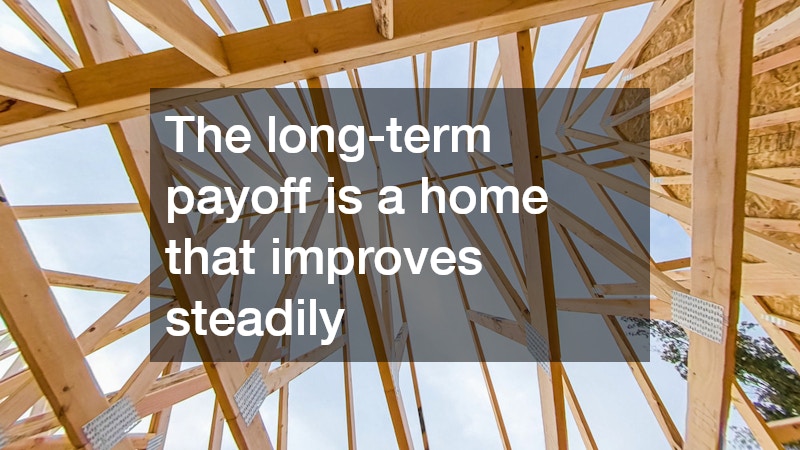
Buying your first home is exciting, but it can also be disorienting once you realize how many systems and materials have to work together. Home construction is not only about walls and finishes. It includes structural planning, moisture control, ventilation, safe electrical capacity, durable surfaces, and an exterior shell that can handle weather for decades. As a new homeowner, the fastest way to feel confident is to learn the major parts of a house and how they connect.
This guide breaks home construction into practical decisions you will run into as you plan improvements, repairs, or future additions. You do not need to become a builder to make good choices, but you do need a framework for evaluating scope, quality, and sequencing. When you understand where hidden risks live, you can prioritize projects, set realistic budgets, and communicate clearly with professionals. The goal is to help you make decisions that hold up over time.
How To Think About Construction As A System
A home performs best when you treat it as a single system, not a collection of isolated parts. A roof problem can lead to moisture in insulation, which can change indoor comfort and encourage mold growth. A ventilation issue can increase humidity, which can make paint peel and wood swell. Construction decisions often have ripple effects, so a basic cause-and-effect mindset helps you avoid expensive surprises.
Start by separating your priorities into safety, durability, comfort, and aesthetics. Safety relates to structural issues, water intrusion, and any conditions that could create hazards. Durability focuses on how materials handle time and weather, including the exterior shell and mechanical systems. Comfort includes temperature control, airflow, noise, and lighting. Aesthetics is important, but it is strongest when it sits on top of sound fundamentals.
If you are planning major changes, remodeling contractors can help you connect these priorities into a coherent scope. The best outcomes come from sequencing work so the most disruptive tasks happen first, followed by finishes. A coordinated plan can reduce rework and protect new surfaces from damage. Over time, that coordination is what makes a home feel intentionally built rather than constantly patched.
The Early Planning Stage Before Any Work Starts
Before you start a project, write down what you want the space to do differently. A construction plan should address function first, such as storage, traffic flow, or a safer layout. Once function is clear, you can evaluate materials and features that support it. This approach prevents expensive upgrades that look good but do not solve the real problem.
Next, learn the difference between cosmetic work and work that affects structure or systems. Moving walls, adding openings, or changing rooflines can trigger engineering, permits, and more complex inspections. Even smaller changes can have hidden constraints, such as load-bearing framing or older plumbing layouts. A quick review of these constraints can save you from redesigning midstream.
When you hire a kitchen remodeling service, the first step is usually translating daily habits into layout priorities. That includes how many people cook, how you store food, and where traffic typically bottlenecks. A thoughtful plan can also account for lighting and outlets so the kitchen works without clutter. The long-term value is a space that performs well, not one that only photographs well.
Understanding Structure And Why It Drives Costs
Structure is the skeleton of the home, and it affects everything built on top of it. Foundations, framing, and load paths determine where you can add doors, widen openings, or create open-concept layouts. If you remove a wall without understanding its role, you can create sagging, cracking, or long-term instability. That is why structural work often carries higher costs and more specialized oversight.
New homeowners should also know that structural work frequently exposes hidden conditions. Once walls are open, you may discover moisture stains, pest damage, or old repairs that need correction. Those discoveries are common, which is why contingency budgets matter. A realistic plan expects some unknowns instead of assuming the house is perfectly documented.
A well-defined project with remodeling contractors can clarify what is structural versus what is finish work. That clarity helps you set realistic expectations about timelines, inspections, and sequencing. It also makes it easier to compare bids because the scope is specific. The long-term gain is fewer surprises and fewer compromises.
Roofing Basics And Why Timing Matters
The roof is one of the most important protective systems in a home. It manages water, wind, and heat, and it protects insulation and framing from moisture. New homeowners often focus on interior upgrades, but the roof should be evaluated early because water intrusion can undo other improvements quickly. A small leak that goes unnoticed can damage ceilings, framing, and even electrical components.
Roofing decisions are also tied to ventilation and attic performance. If the attic stays too hot or humid, it can shorten roof life and affect comfort below. The right intake and exhaust ventilation supports shingle performance and helps control moisture. These details are not glamorous, but they are foundational to long-term durability.
Local roofers can evaluate visible wear patterns and explain what they suggest about drainage and ventilation. They can also identify flashing issues at chimneys, valleys, and roof-wall intersections. Even if you are not replacing the roof right away, a professional assessment can help you plan. The long-term benefit is preventing small problems from becoming structural damage.
What To Know About A Roofing Replacement
A roof replacement is more than removing old shingles and installing new ones. It includes underlayment, flashing, ventilation decisions, and proper edge protection. A new roof should also align with the home’s drainage plan, including gutters and downspouts. When these elements work together, the roof sheds water predictably and protects the structure.
You will often hear the term roofing install used to describe the full replacement process. The quality of the installation matters as much as the material choice because most failures happen at transitions and penetrations. Poor flashing, improper sealing, and ventilation mistakes can shorten lifespan dramatically. A good installation plan prevents the roof from becoming a recurring headache.
When a roofing install is scheduled, it is smart to coordinate other exterior work that could disturb the roof later. For example, changes to skylights, vents, or chimneys are easier to handle during replacement. That coordination reduces redundant labor and protects the new roof from patchwork fixes. The long-term gain is a cleaner, more reliable roof system.
Windows And The Building Envelope
The building envelope is the barrier between indoor and outdoor conditions. It includes the roof, siding, windows, doors, and the layers that manage air and moisture. If the envelope is weak, you may feel drafts, see condensation, or struggle with temperature swings. Over time, those issues can lead to material deterioration and higher maintenance.
Windows are a key part of the envelope because they combine structure, weather sealing, and thermal performance. Poor windows can allow water intrusion around frames or create persistent drafts. Quality installation is also critical because even great windows can fail if flashing and sealing are incorrect. The goal is consistent comfort and durable protection.
Impact resistant windows can be a strong choice in regions that see severe storms or flying debris. They are designed to handle higher forces while maintaining a safer barrier. They can also support better noise control and reduce the likelihood of sudden breakage. The long-term gain is resilience and peace of mind during harsh weather.
Exterior Doors And Garage Transitions
Exterior doors influence security, comfort, and durability at entry points. A poorly sealed door can create drafts and moisture problems that show up as rot or peeling trim. Proper thresholds, weather stripping, and flashing details help keep water out. Entry design also affects daily use, including lighting and the flow of shoes and gear.
The garage is a major transition zone for many households, and its condition affects daily convenience. The garage often serves as storage, a work area, or the primary entry route. That makes its doors and sealing important for both security and comfort. A drafty or poorly functioning garage can also influence the adjacent interior spaces.
Garage doors are not only a convenience feature, they are a large moving component that affects safety. A well-installed system should operate smoothly, seal against weather, and be sized correctly for the opening. Hardware quality and alignment influence noise, wear, and longevity. The long-term gain is reliability and safer day-to-day use.
Electrical Planning And Practical Upgrades
Electrical capacity and layout determine how comfortable and functional the home feels. Many older homes were not designed for modern device loads, which can lead to nuisance trips or reliance on power strips. A strong electrical plan includes outlet placement, lighting layers, and dedicated circuits where needed. Safety is also central, including proper grounding and updated protection where required.
Electrical planning is easiest when it is coordinated with other construction work. When walls are open, routing new lines and placing new boxes is simpler and cleaner. If you wait until after finishes are done, changes may require patching and repainting. Smart sequencing protects the look of the finished space.
If you are working with a local plumber and updating wet areas, electrical planning becomes even more important. Kitchens, baths, and laundry zones have specialized requirements and higher moisture exposure. Coordinating the trades reduces conflicts and helps keep the scope tight. The long-term gain is a safer, more usable home.
Plumbing Fundamentals Every New Homeowner Should Know
Plumbing is easy to ignore until something goes wrong, but it is a core construction system. Supply lines deliver water under pressure, while drains rely on gravity and proper venting. Small issues can become bigger when leaks are hidden behind cabinets or within walls. Understanding the basics helps you respond faster and communicate clearly with professionals.
Know where your main shutoff is and test it periodically. Learn where the water heater sits and how to recognize early warning signs, such as corrosion or unusual noises. Pay attention to slow drains or recurring clogs because they can indicate deeper issues. A small leak can also affect framing and finishes if it remains unnoticed.
Plumbing services often include diagnostics, repairs, and replacement work in kitchens, baths, and utility areas. They may also involve addressing pressure issues, drainage problems, or aging fixtures. As a new homeowner, it helps to keep a simple log of any recurring symptoms. The long-term gain is faster troubleshooting and fewer emergency repairs.
Choosing The Right Help For Plumbing Work
Not every plumbing issue requires the same level of response. Some problems are minor, while others involve hidden leaks, venting complications, or aging pipes. Choosing the right professional support matters because incorrect repairs can create recurring problems. A good approach is to define the symptom, note where it appears, and document any patterns.
A local plumber can help you identify root causes, not just symptoms, especially when the issue keeps returning. They can also advise on whether the problem is isolated or part of a larger system issue. Good documentation can speed up the diagnostic process and keep costs predictable. The long-term benefit is a plumbing system that is maintained proactively.
When plumbing changes are part of a remodel, coordination matters even more. Moving fixtures affects venting and drain slopes, which are difficult to correct later. Clear planning reduces the odds that walls need to be reopened. The long-term gain is a remodel that remains durable and low-maintenance.
Heating And Cooling Decisions That Affect The Whole House
Heating and cooling is about more than equipment. Comfort depends on distribution, airflow, duct design, and how well the home is sealed. If air leaks are high, even a strong system can struggle to maintain stable temperatures. A balanced plan considers both the mechanical equipment and the building envelope.
New homeowners should also understand that construction changes can alter heating and cooling needs. Adding insulation, changing window packages, or opening a floor plan can shift how air moves. That is why it helps to revisit system performance after major changes. Comfort issues are often a clue that something is out of balance.
An HVAC company can evaluate equipment condition, airflow, and duct performance, and they can explain what upgrades are likely to make a meaningful difference. They can also identify when maintenance is enough versus when replacement is more practical. The long-term value is comfort that does not require constant adjustment. A stable indoor environment also supports finish durability.
Coordinating Interior Finishes With Construction Realities
Interior finishes look simple on the surface, but they depend on proper preparation. Drywall must be flat, seams must be treated properly, and surfaces must be clean and dry before paint. Flooring depends on subfloor condition, moisture control, and correct transitions. Cabinets and trim depend on square walls and consistent heights.
Many homeowners underestimate how much of a finished look comes from the layers beneath the visible surfaces. Small framing irregularities can create noticeable gaps around trim and cabinetry. Moisture issues can cause paint failure or floor movement. The more you understand these dependencies, the better you can evaluate quotes and schedules.
Paint stores can be useful resources for understanding paint types, sheen choices, and prep requirements for different rooms. They can also help you match products to humidity conditions, traffic patterns, and desired durability. While paint is a finish, it is also a protective layer when selected correctly. The long-term gain is a cleaner look that lasts longer between repaints.
Kitchen Construction Choices That Hold Up Over Time
The kitchen sees heavy daily use, which is why construction quality matters as much as style. Cabinet layout should support workflow, and countertop choices should align with how you cook and clean. Lighting should include general illumination, task lighting, and accent lighting where it improves usability. Durable finishes reduce the likelihood of early wear.
A kitchen remodeling service can help you plan around structural and mechanical constraints, such as venting, plumbing locations, and electrical needs. A plan that accounts for these constraints early is less likely to require compromises during installation. It also helps you avoid last-minute changes that inflate costs. The long-term gain is a kitchen that stays practical and easy to maintain.
If the kitchen project is part of broader construction, sequencing is critical. Mechanical rough-ins and inspections should happen before cabinets and finishes. That order protects new surfaces and reduces the odds of patchwork repairs. A well-sequenced kitchen build feels smoother and results in cleaner final details.
Exterior Durability And Ongoing Maintenance
Long-term home performance depends on routine observation and timely minor repairs. You do not need to fix everything at once, but you should know which items create the most risk when ignored. Water intrusion, persistent humidity, and structural movement are examples of issues that can compound quickly. A maintenance mindset is part of responsible homeownership.
The roof and exterior edges are common points of failure because they handle constant weather exposure. Small flashing problems can lead to slow leaks that do not show up immediately. Gutters and downspouts also matter because poor drainage can affect foundations and siding. A simple seasonal check can prevent expensive damage.
Local roofers can be useful not only for replacements, but also for periodic assessments after storms. A quick professional check can confirm whether damage is cosmetic or worth repairing. That clarity helps you avoid delaying a repair that could worsen. The long-term gain is a more predictable maintenance plan.
Pulling It All Together With A Construction Roadmap
A new homeowner’s construction roadmap should be practical, staged, and based on risk reduction. Start with the protective shell and safety concerns, then move into comfort and interior improvements. This order prevents you from investing in finishes that later get damaged by leaks or mechanical changes. It also spreads costs in a logical way.
Keep your roadmap flexible, because new information often appears once work begins. The point is not perfect prediction, it is controlled decision-making. Document what you change, keep product details, and store warranties and permits in one place. That record becomes invaluable when you plan the next project.
If you build relationships with the right professionals, future decisions become easier. You will communicate faster, get more consistent guidance, and reduce the odds of mismatched work. The long-term payoff is a home that improves steadily rather than through rushed fixes. With a clear system mindset, you can make construction choices that support years of stable living.